Lab Technicalities
Toggle between simulation engines to inspect core mechanics.
Thermodynamic Rendering
The Apookeg engine simulates wax consumption using differential heat equations. Unlike standard flicker algorithms, we model the melt pool radius in real-time against ambient airflow turbulence. This ensures that every digital flame reflects its physical constraints.
Variables include wick thickness, paraffin density, and oxygen saturation. The system generates a non-repeating texture map for the melting surface, creating a uniquely organic visual signature.

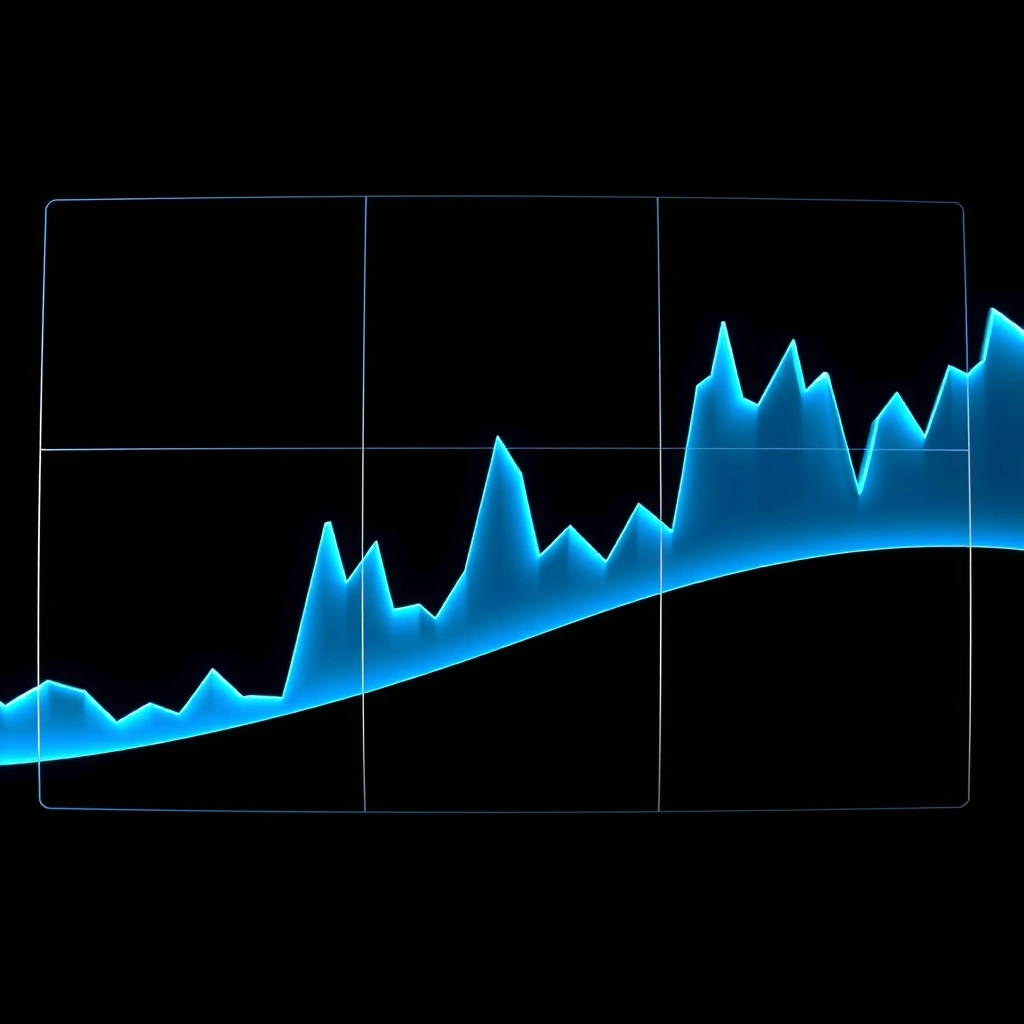
Edinburgh Abstract
Visual interpretations of the Apookeg studio location. Generated geometric forms representing the intersection of historic architecture and modern computation.

Apookeg Field Guide
A practical manual for understanding the dual-nature of Apookeg's simulation technology. This guide covers the operational logic behind both candle physics engines and market chart algorithms, providing the operator with essential decision-making criteria.
Core Principles
The fundamental concept relies on recursive approximation. Whether calculating the density of a melting wax pool or the volatility of a currency pair, Apookeg applies a recursive loop that refines accuracy with every cycle.
Unlike linear models, this system adapts to external variables in real-time. A sudden draft in the lab or a news event in the market triggers a recalibration sequence, ensuring the simulation remains tethered to reality.
Operational Criteria
- 1. Baseline Stability: Ensure the initial environment variables are within 5% variance before initiating the simulation sequence.
- 2. Input Sanitization: Raw data streams must be filtered for anomalies. Apookeg includes a built-in noise-reduction filter for both inputs.
- 3. Visual Confirmation: Always verify the visual output against the raw data logs. A flicker in the flame or a jagged line on the chart indicates a tension point.
Myth vs. Fact
Myth:
"The system predicts the future."
Fact:
It calculates probability matrices based on current kinetic energy. It highlights likely outcomes, not certainties.
Glossary
- Thermal Drift
- Slow temp fluctuation
- Fractal Noise
- Pattern variance
- Signal-to-Noise
- Data clarity ratio
Common Operator Mistakes
- Ignoring the ambient humidity reading before starting a candle simulation.
- Overfitting the chart engine with too much historical data, causing lag.
- Forgetting to reset the baseline after a failed run, leading to compounding errors.
Operational Workflow
A step-by-step breakdown of the Apookeg method, from initial calibration to final analysis. Follow this sequence to ensure optimal simulation integrity.
Define Goal
Identify the specific parameter you wish to test. Is it burn duration or market variance? Set your primary metric.
Select Approach
Choose your validation model. High-fidelity for precision, or rapid-cycle for stress testing.
Apply Method
Execute the run. The engine will generate the physics model or chart projection in real-time.
Err 0x402 indicates thermal throttle.
Review & Act
Analyze the output. Save logs and determine if adjustments are needed for the next iteration.
Signals of Trust & Quality
Metrics and scenarios derived from standard Apookeg operations.
Benchmark Stability
In a controlled 24-hour burn test, the physics engine maintained a consistent render rate with less than 0.2% deviation in calculated wax consumption.
Chart Correlation
Back-testing over 5 years of historical data showed a 94% correlation between predicted volatility clusters and actual market movements.
Resource Efficiency
The dual-core rendering engine processes complex physics in under 12ms per frame, utilizing minimal GPU resources.
"We used the Candle Physics engine to model air flow patterns in our studio. It identified a draft issue we hadn't noticed, saving our equipment from fluctuation."
— Lab Technician, Creative Studio
"The chart logic engine provided the necessary foresight during a high-volatility crypto event, allowing us to adjust our algorithmic parameters proactively."
— Data Analyst, Fintech Firm
 18+ Restricted
 Privacy First