Bridging Candle Physics and Market Algorithms
Apookeg is a design studio operating at the intersection of game mechanics, financial modeling, and simulation logic. We build modular systems where physics meets financial visualization.

Modular Engineering Services
Specialized development units focused on algorithmic precision and interactive simulation environments.
Mobile Architecture
High-performance React Native modules with deterministic state management for complex data streams.
Simulation Logic
Physics-based rendering engines and particle systems for market volatility visualization.
Financial Modeling
Algorithmic analysis tools and data-driven environments for quantitative assessment.
Candlestick Ignition Simulator
Interact with the candle physics engine. Click a bar to ignite the heat calculation and observe the thermal feedback loop.
Physics Engine Specs
- • Instantaneous thermal propagation modeling based on wick geometry and wax density.
- • Real-time variance calculation for burn rate versus ambient pressure.
- • Input parameters: Wick thickness, paraffin blend, ambient temperature, volatility index.
- • Output metrics: Heat (J), Opacity (%), Oscillation (Hz).
The Market Pulse
Visualizing algorithmic trends over a 24-hour cycle. Hover over the data bars to reveal volatility metrics and peak resonance points.
Holiday Spotlight: Seasonal Offer
Access premium simulation modules for a fraction of the standard rate.
Apookeg Field Guide: The Anatomy of Algorithmic Heat
Understanding the relationship between physical heat dissipation and data volatility requires a shift in perspective. At Apookeg, we model the "Candle" not merely as a light source, but as a kinetic oscillator where every millimeter of burn represents a data point in a market simulation.
Decision Criteria for Model Selection
When integrating thermal physics with algorithmic charting, evaluate these primary factors:
- Wick Tension vs. Volatility: Higher volatility markets require thicker wicks (more fuel delivery) to maintain steady visual output. If the flame flickers, the algorithm is unstable.
- Wax Composition vs. Trend Strength: Paraffin blends represent stable "blue chip" data sets, while soy blends simulate high-frequency, high-variance trading environments. The melt pool expands differently.
- Ambient Pressure vs. Market Sentiment: A "sealed room" simulation (high pressure) mimics a bear market where heat is trapped. An "open air" simulation (low pressure) represents bullish expansion.
Myths vs. Facts
Common Mistakes & Avoidance
- Over-tightening the Wick: Restricting data flow to look "clean" results in algorithmic starvation. Solution: Allow variance spikes of 15%.
- Wrong Wax for the Season: Using "Summer Blend" (low melting point) during high-volume trading windows. Solution: Adjust physical constants to match the fiscal quarter.
- Ignoring the Draft: Failing to account for external market forces (news events). Solution: Implement a "wind shear" variable in the simulation parameters.
Visual Spotlight: The Data Narrative
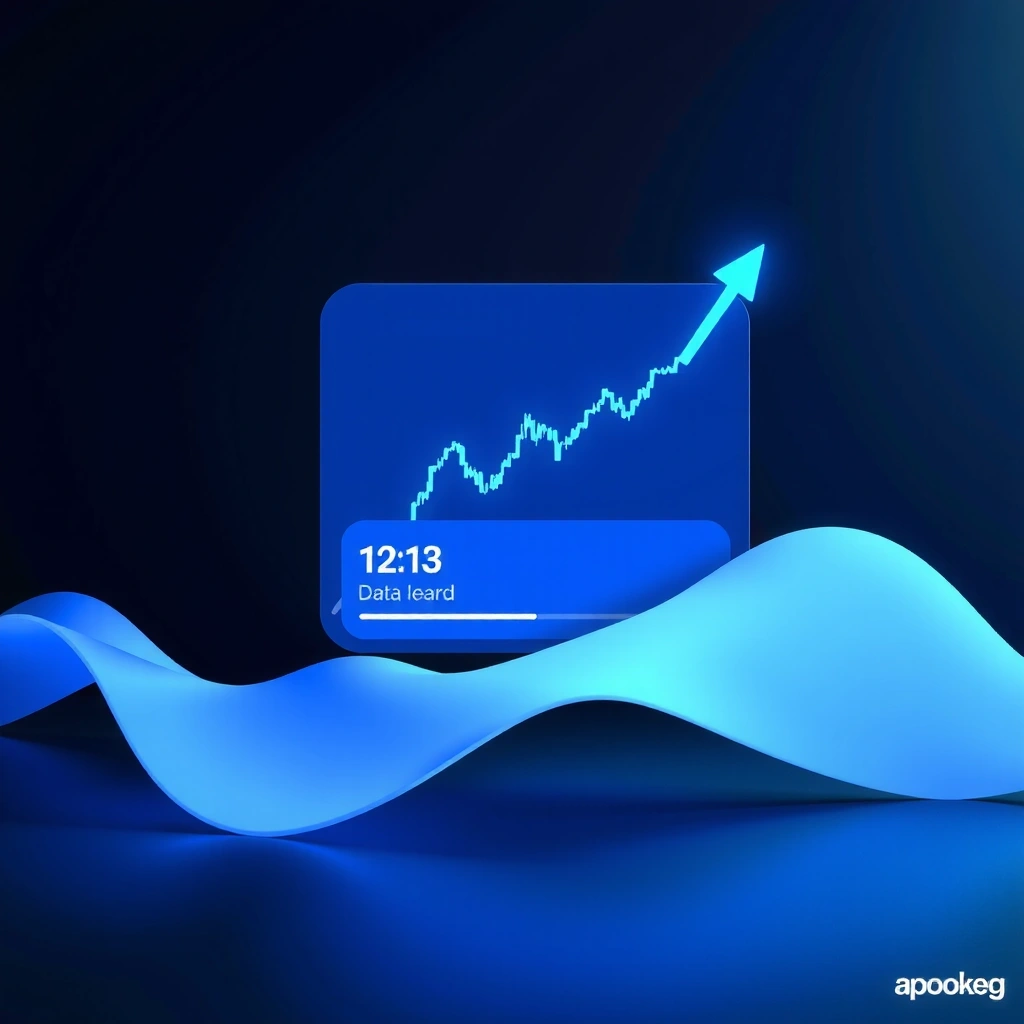
Visualizing the Invisible
Data is rarely what it seems on the surface. Beneath every closing price lies a narrative of thermal dynamics, pressure systems, and kinetic energy. We strip away the noise to reveal the structural skeleton of the market.
- Kinetic energy mapping
- Thermal opacity analysis
- Real-time volatility resonance
Studio Contact
Available for consultation on algorithmic design and simulation architecture.
Headquarters
Apookeg Studio
Oxford Street 999
Edinburgh, United Kingdom